
Healthy Connections
Shawminika Clinical Services is a husband-and-wife therapy practice supporting individuals, children, youth, and families that offers warm, client-centered care tailored to unique needs through collaborative, compassionate, and specialized mental health services.
We are a husband-and-wife team of therapists with nearly 30 years of combined experience supporting individuals, children, youth, families, and groups across educational, community, and healthcare settings. Our journey began early in our careers, working side by side as new counsellors, where we built a shared foundation and passion for supporting mental health. Over time, we each pursued our own professional paths, expanding our skills through advanced education, diverse clinical experiences, and specialized training. Eventually, we came back together to realize a long-held dream, creating a practice that reflects both our shared values and our unique strengths.
You might be wondering about the name Shawminika. It originated years ago when friends playfully combined our names, and it stuck. When our vision of working together became a reality, it felt only fitting to carry that name forward. Shawminika Clinical Services was established in 2010, initially with Shawn as the sole therapist. In 2016, Dominika joined the practice, bringing the full vision to life.
Today, we collaborate to offer a warm, relational, and client-centered practice. While we share a common philosophy, we each bring distinct areas of specialization, allowing us to provide comprehensive and flexible care tailored to the unique needs of the individuals and families we serve.

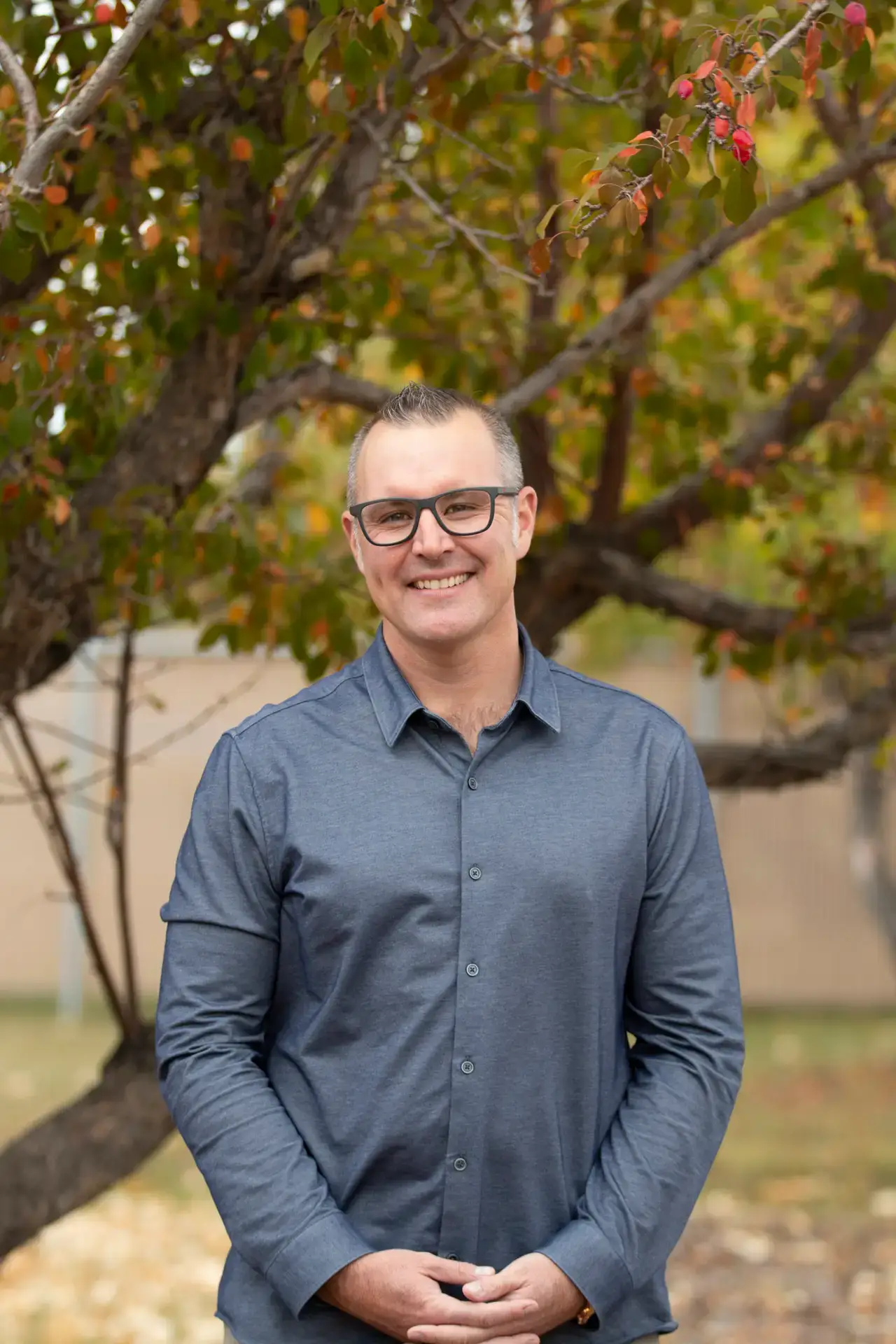
With a Master of Social Work and a clinical specialization, I have had the opportunity to train extensively in evidence-informed therapeutic approaches. My graduate training focused on both Solution-Focused Brief Therapy (SFBT) and Narrative Therapy. I continue to use SFBT in my practice, as it aligns well with the often time-limited nature of services while emphasizing strengths, resilience, and meaningful progress. This approach supports individuals and families in building on what is already working and strengthening connections to natural, family, and prosocial supports.
My work is also grounded in a strong foundation of biopsychosocial assessment, alongside an ecological and Person-in-Environment (PIE) perspective. This allows me to consider not just the individual, but the broader systems and contexts shaping their experiences. I remain deeply connected to the values of the social work profession, and my approach reflects a collaborative, strengths-based philosophy that is central to this identity.
In addition, I have trained extensively in Cognitive Behavioural Therapy (CBT), Dialectical Behaviour Therapy (DBT), Exposure Therapy, and Multidimensional Family Therapy (MFT). These approaches have proven highly effective in supporting children, youth, and adults navigating complex emotional and behavioural challenges. I often integrate these models to help clients build practical skills in emotional regulation, distress tolerance, and adaptive thinking.
One consistent theme across my work is a lesson that has revealed itself time and again: therapy does not only happen in an office.
While I do have welcoming, comfortable office spaces, they account for only a portion of my practice. Much of the meaningful work happens in more natural, everyday settings—shooting hoops at a school playground, walking a trail, tossing a stick for a dog at an off-leash park, or simply sitting quietly beneath the trees when conversation needs space to unfold.
These environments allow for what is known as parallel engagement—where movement and shared activity help regulate the nervous system and create a sense of safety. Rhythmic motion, such as walking or gentle activity, often helps calm the body before words are even needed. From this place of calm, curiosity can emerge—and with curiosity comes connection.

I feel most like myself when I’m in a genuine, flowing conversation, when there’s a sense of connection, understanding, and being truly seen. That experience is what drew me to this work. I believe we are not meant to navigate life alone; as humans, we are wired for connection, and it is through safe, supportive relationships that healing and growth can unfold.
In our work together, I focus on creating a space where you feel comfortable, understood, and not judged. I listen closely, stay present, and respond with care and intention. My goal is to meet you where you are, support you in regulating through difficult moments, and walk alongside you as you make sense of your experiences and move toward meaningful change.
I am a Registered Psychologist specializing in individual therapy. I work with concerns including trauma, addiction, emotional regulation, distress tolerance, anxiety, depression, OCD, relationship challenges, and grief and loss.
My experience across a variety of settings and with diverse populations has shaped a flexible and individualized approach to therapy. I draw from evidence-based modalities and tailor each session to fit your unique needs, pace, and goals.
I have completed formal training in Accelerated Resolution Therapy (ART) (Basic, Advanced, and Enhanced), Cognitive Processing Therapy (CPT) for PTSD, Cognitive Behavioural Therapy (CBT), Cognitive Behavioral Social Skills Training (CBSST), Dialectical Behavioural Therapy (DBT), and Schema Therapy. I have also pursued additional self directed training in Eye Movement Desensitization and Reprocessing (EMDR), Internal Family Systems (IFS), and Indigenous Awareness and Sensitivity training, and I continue to deepen my skills through ongoing learning.
Reaching out for support can feel like a big step, and you don’t have to do it alone. If this approach resonates with you, I would be honoured to connect and explore how we can work together.
Cognitive Behavioural Therapy (CBT) is a practical, skill-based approach that helps you understand the connection between your thoughts, feelings, and actions. It is based on the idea that the way you think about a situation can influence how you feel and what you do, and that unhelpful thinking patterns such as expecting the worst, being overly self-critical, or making assumptions can keep you feeling stuck. In CBT, you learn to notice these patterns, understand how they impact you, and begin to shift them into more balanced and realistic ways of thinking. You also work on making small, meaningful changes in your behaviour to support your well-being. CBT is not about forcing positive thinking or ignoring real challenges, but rather about developing practical skills to respond to difficulties in a more helpful and manageable way. Over time, these skills can reduce distress and give you tools you can continue to use in your everyday life.
Dialectical Behaviour Therapy (DBT) is a structured, skills-based therapy that helps you manage intense emotions, cope with stress, and improve your relationships. It is based on the idea that two things can be true at the same time such as you can accept yourself as you are, while also working toward meaningful change. DBT focuses on building four key sets of skills: mindfulness (being present in the moment), distress tolerance (getting through difficult situations without making them worse), emotion regulation (understanding and managing strong feelings), and interpersonal effectiveness (communicating your needs and setting boundaries). Rather than trying to eliminate emotions, DBT helps you respond to them in a more balanced and effective way. Over time, these skills can help you feel more in control, reduce impulsive behaviours, and create a life that feels more stable and fulfilling.
Schema Therapy is an approach that helps you understand and change long-standing patterns in how you think, feel, and relate to yourself and others. It is based on the idea that early life experiences can shape “schemas,” which are deep beliefs or themes about yourself, others, and the world, such as feeling unworthy, abandoned, or not good enough. These patterns can continue into adulthood and influence how you respond in relationships and difficult situations, often in ways that feel automatic or hard to change.
In Schema Therapy, you learn to recognize these patterns, understand where they come from, and notice how they show up in your current life. You also work on developing healthier ways of coping, meeting your emotional needs, and relating to yourself with more compassion. This approach often includes both practical strategies and deeper emotional work, helping you break out of old cycles and build more satisfying and stable ways of living and connecting with others.
Multidimensional Family Therapy (MDFT) is a comprehensive, family-based approach that helps young people and their families work through challenges such as substance use, behavioural concerns, and relationship difficulties. It is based on the idea that a young person’s struggles are influenced by many areas of their life, including their relationships with family, peers, school, and the wider community. MDFT works by supporting change in several of these areas at the same time, rather than focusing on just one problem. In therapy, both the young person and their caregivers are supported to improve communication, strengthen relationships, and build healthier ways of coping and problem-solving. The therapist may meet with the youth, the parents, and the family together, helping each person understand one another and work toward shared goals.
Over time, this approach can help reduce conflict, support positive development, and create a more stable and supportive family environment.
Individual Therapy offers a confidential and supportive space to explore concerns, improve emotional well-being, and work toward the changes that matter most to you. Each session is customized to meet your unique needs and circumstances.
We Can Help You WithWhen one family member is struggling, the entire family can feel the impact. Family Therapy creates a space for family members to better understand one another, strengthen relationships, and work together toward lasting positive change.
We Can Help You WithTrauma occurs when an experience overwhelms a person’s ability to cope and leaves a lasting impact on their sense of safety, well-being, or connection to others. It can stem from a single event or a series of difficult experiences and affect people in different ways. Trauma may show up as anxiety, depression, difficulty trusting others, emotional overwhelm, relationship challenges, or feeling constantly alert.
We Can Help You WithEvidence-based, brief therapy designed to create meaningful change in a relatively short period of time, with some clients experiencing relief after just one session. Accelerated Resolution Therapy (ART), one of our primary treatment approaches, uses guided eye movements and imagery to help the brain process distressing experiences so they no longer feel as overwhelming or disruptive in everyday life.
Individual therapy supports teens through late adulthood by offering a collaborative,
personalized approach that meets each person where they are and tailors treatment to
their unique needs.
Family therapy works with individuals and the family as a whole, bringing everyone
together in a collaborative process to address each person’s needs while strengthening
the functioning of the family unit.
Dominika and Shawn
Accepted Forms of Payment
Building trust, confidence, and skills for raising resilient teens and young adults.